What Is an OCT Scan?
An OCT scan, or Optical Coherence Tomography scan, is a special eye test. It uses light waves to take detailed pictures of the layers inside your eye. Because it is painless and quick, many eye doctors use it during routine eye exams. This scan helps detect problems early, even before you notice symptoms. For this reason, OCT scans are important for protecting your vision and eye health.
Common Reasons for OCT Scan Recommendations
Your doctor may suggest an OCT scan for several reasons. Often, it is part of a regular eye exam. However, there are specific conditions and symptoms that make this test especially useful. For example, you may need an OCT scan if you have:
In addition, doctors use OCT scans to monitor known retinal diseases or check for changes after eye surgery.
How an OCT Scan Works
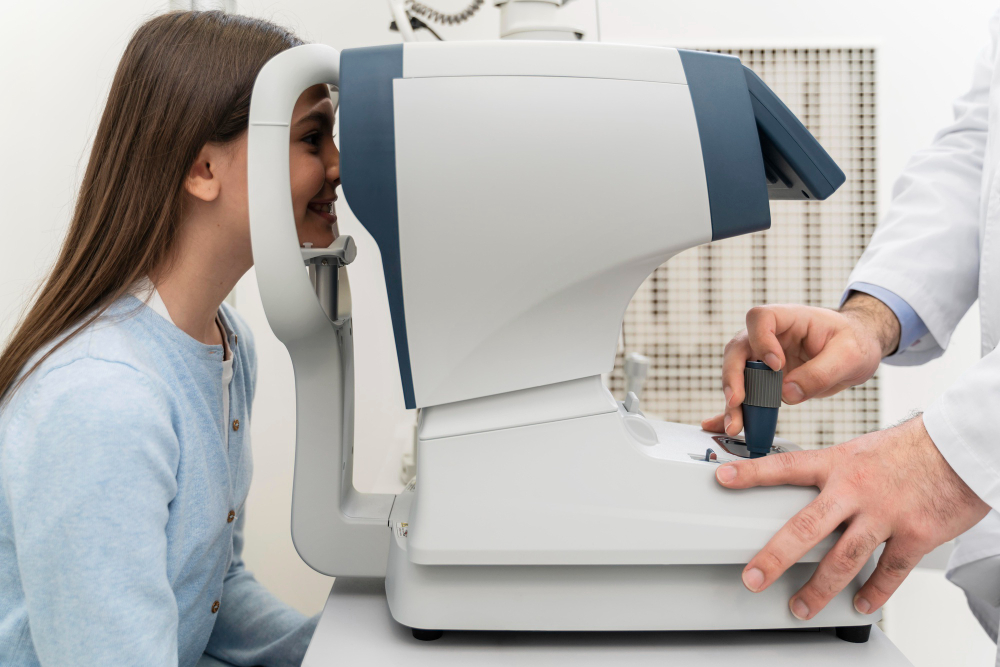
OCT scan technology uses safe, invisible light to capture images of your retina. The retina is the thin layer at the back of your eye that helps you see. Because the scan is non-invasive, it does not touch your eye. Instead, you simply look into a machine while it takes pictures. These images show the different layers of your retina in great detail. As a result, your eye doctor can spot early signs of problems like glaucoma or macular degeneration.
What to Expect During the Procedure
Before the scan, your doctor may use eye drops to widen your pupils. This helps get clearer images. However, not all OCT scans need this step. During the test, you will:
The whole process usually takes less than 15 minutes. Most people find it comfortable and easy.
Benefits of OCT Scans for Eye Health
OCT scans offer many benefits for your eye health. First, they help detect eye diseases early. Early detection means treatment can start sooner, which often leads to better results. Also, OCT scans are:
Because of these benefits, OCT scans are now a key part of modern eye exam technology. Many clinics offer an OCT scan near you for easy access.
Frequently Asked Questions About OCT Scans
When to Consult Your Eye Doctor
If you notice changes in your vision, do not wait. For example, blurred vision, dark spots, or sudden vision loss are reasons to see your eye doctor. Even if you have no symptoms, regular eye exams are important, especially if you have risk factors like diabetes or a family history of eye disease. Because early detection is key, your doctor may recommend an OCT scan as part of your care plan.
“If your doctor has recommended an OCT scan, consult a qualified eye specialist at Jay Netra Kendra for personalized advice and next steps.