
Introduction
Uveitis is a type of eye inflammation that can affect people of all ages. It can cause pain, redness, and even vision loss if not treated early. Because uveitis can lead to serious eye problems, it is important to know its symptoms and causes. In this blog, we will explain uveitis, its symptoms, causes, diagnosis, and treatment options. We will also share tips for managing and preventing this condition.
What is Uveitis?
Uveitis is an inflammation of the middle layer of the eye, called the uvea. The uvea includes the iris, ciliary body, and choroid. When this part of the eye becomes inflamed, it can affect your vision. Sometimes, uveitis can also involve other parts of the eye. Although anyone can get uveitis, it is more common in people aged 20 to 60. Early treatment can help prevent lasting damage.
Common Symptoms of Uveitis
Uveitis symptoms can appear suddenly or develop slowly. Because symptoms may vary, it is important to watch for changes in your eyes. Common signs include:
If you notice any of these symptoms, you should see an eye doctor right away. Early care can help protect your eyesight.
Causes and Risk Factors
Uveitis can have many causes. Sometimes, the exact cause is not found. However, some common causes and risk factors include:
In addition, some people are at higher risk, such as those with a family history of autoimmune diseases. According to the World Health Organization, uveitis is a leading cause of vision loss in many countries. Knowing your risk can help you take steps to protect your eyes.
How Uveitis is Diagnosed
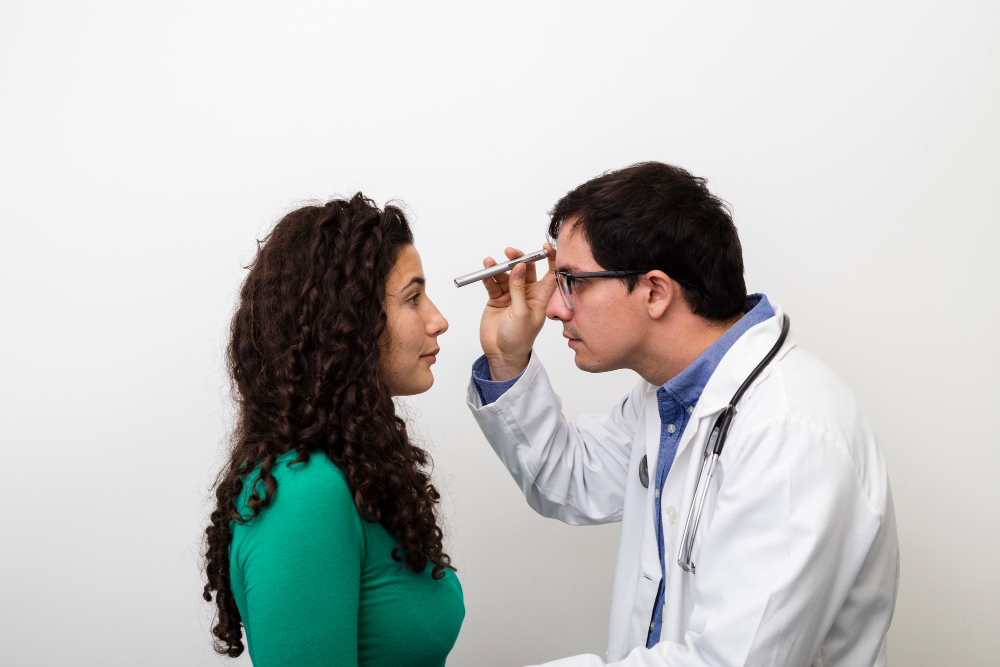
Doctors use several methods to diagnose uveitis. First, they will ask about your symptoms and medical history. Next, they will examine your eyes using special lights and lenses. Sometimes, doctors may order blood tests or imaging scans to find the cause. Because uveitis can be linked to other health problems, your doctor may also check for infections or autoimmune diseases. Early diagnosis is key to preventing serious eye damage.
Treatment Options for Uveitis
Treating uveitis depends on its cause and severity. Most often, doctors use medicines to reduce inflammation and pain. Common treatment options include:
In some cases, doctors may suggest surgery if medicines do not work. However, most people improve with early and proper treatment. Regular follow-up visits are important to check your progress.
Tips for Managing and Preventing Uveitis
While not all cases of uveitis can be prevented, you can lower your risk and manage symptoms with these tips:
With proper care, many people with uveitis can keep their vision healthy. Early action makes a big difference.
Conclusion
Uveitis is a serious eye condition that needs prompt attention. If you notice symptoms like redness, pain, or vision changes, do not wait. Consult an eye specialist at Jay Netra Kendra for personalized advice if you notice symptoms of uveitis. Early diagnosis and treatment can help protect your eyesight for years to come.