
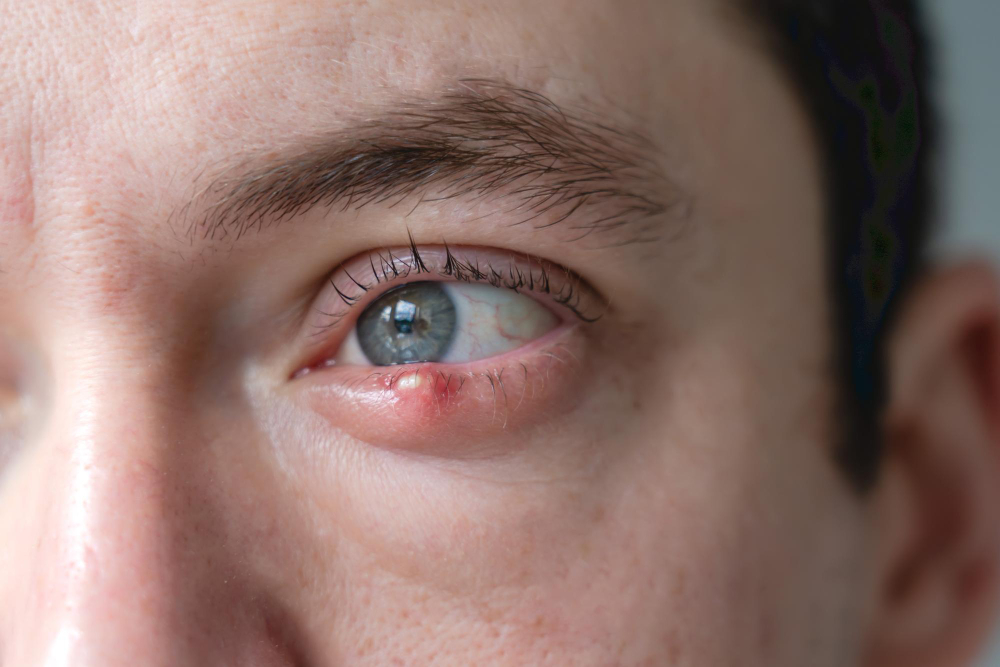
What Is an Eye Stye?
An eye stye is a small, red bump that forms on the edge of your eyelid. It often looks like a pimple. Many people wonder about the causes of an eye stye. Usually, a stye is not serious, but it can be painful and bothersome. Knowing what leads to a stye can help you understand why they happen.
Main Causes of an Eye Stye
Most eye styes start when bacteria get into the tiny oil glands in your eyelid. Because these glands can get blocked, bacteria can grow and cause swelling. According to the Centers for Disease Control and Prevention (CDC), the main causes of an eye stye include:
For example, if you touch your eyes without washing your hands, you may transfer bacteria. This can lead to a stye.
Risk Factors for Developing an Eye Stye
Some people are more likely to get an eye stye. While anyone can develop one, certain risk factors make it more common. These include:
Additionally, people who wear contact lenses without cleaning them well are at higher risk. According to the World Health Organization (WHO), good hygiene is key to lowering your risk.
How Bacteria Contribute to Eye Styes
Bacteria play a big role in causing eye styes. Most often, Staphylococcus bacteria are to blame. These germs live on your skin, but they can enter the eyelid through small breaks or blocked glands. Once inside, they multiply and cause swelling. Therefore, keeping your hands and face clean is important. The CDC notes that bacterial infections are the top reason for styes.
Everyday Habits That Can Lead to Eye Styes
Some daily habits can increase your risk of getting an eye stye. For instance, not washing your hands before touching your eyes can transfer bacteria. Other habits include:
Because these habits make it easier for bacteria to reach your eyelids, changing them can help prevent styes. Even though styes are common, simple steps can reduce your risk.
Conclusion
In summary, the causes of an eye stye often involve bacteria, blocked glands, and certain habits. If you get styes often or have concerns, consult an eye care specialist at Jay Netra Kendra. They can give you advice that fits your needs.