What is Retinal Detachment?
Retinal detachment is a serious eye condition. It happens when the retina, a thin layer at the back of your eye, pulls away from its normal position. Because the retina helps you see, this problem can cause vision loss if not treated quickly. Early detection is key. According to the World Health Organization, retinal detachment is a leading cause of vision loss worldwide.
Key Warning Signs and Symptoms
Recognizing retinal detachment symptoms early can help save your sight. Watch for these warning signs:
Sometimes, these signs come on quickly. If you notice any of them, seek help right away. Early warning signs of retinal detachment should never be ignored.
Causes and Risk Factors
Several things can cause retinal detachment. However, some people are at higher risk. Common causes and risk factors include:
Because some risk factors cannot be changed, regular eye check-ups are important.
Diagnosis: How Retinal Detachment is Detected
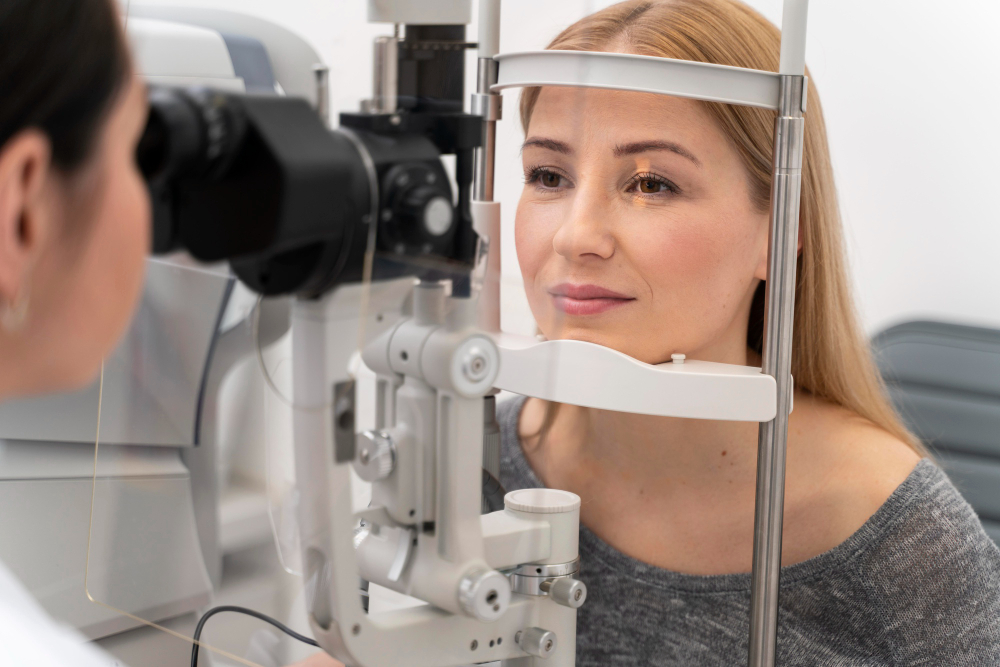
Doctors use several methods to detect retinal detachment. First, they will ask about your symptoms. Then, they will examine your eyes. Common tests include:
Early diagnosis helps improve treatment outcomes. If you have any symptoms, see an eye specialist as soon as possible.
Treatment Options
Retinal detachment treatment depends on the type and severity. Quick action is needed to save vision. Common treatments include:
Each treatment has its own risks and benefits. Your doctor will choose the best option for you.
Prevention and Eye Health Tips
While not all cases can be prevented, you can lower your risk. Try these tips to protect your eyes:
Because early action matters, knowing how to prevent retinal detachment can help save your sight.
When to See an Eye Specialist
If you notice any early warning signs of retinal detachment, do not wait. For example, sudden floaters, flashes, or vision loss need urgent care. Even if symptoms seem mild, it is better to be safe. An eye specialist can check your eyes and suggest the right treatment. Quick action can prevent permanent vision loss.
If you notice any warning signs of retinal detachment, consult an eye specialist at Jay Netra Kendra immediately for personalized care.