Myopia, also called nearsightedness, is a common eye condition. It makes distant objects look blurry, while close objects stay clear. In fact, myopia affects millions of people worldwide. Many children and adults develop myopia, and the number is rising. Because of this, it is important to know the symptoms, causes, and treatment options for myopia. Early detection can help protect your vision.
What is Myopia?
Myopia is a vision problem where you can see nearby things clearly, but faraway things look blurry. This happens when the shape of the eye causes light to focus in front of the retina, not on it. Usually, myopia starts in childhood and can get worse as you grow. However, it can also develop in adults. Myopia is one of the most common refractive errors in the world.
Symptoms of Myopia
Recognizing myopia symptoms early can help you get the right treatment. Common signs include:
Sometimes, children may not notice these symptoms. Therefore, regular eye exams are important for kids and adults.
Causes and Risk Factors
There are several causes and risk factors for myopia. Some of the main ones include:
Although you cannot change your genes, you can take steps to lower other risks.
How Myopia is Diagnosed
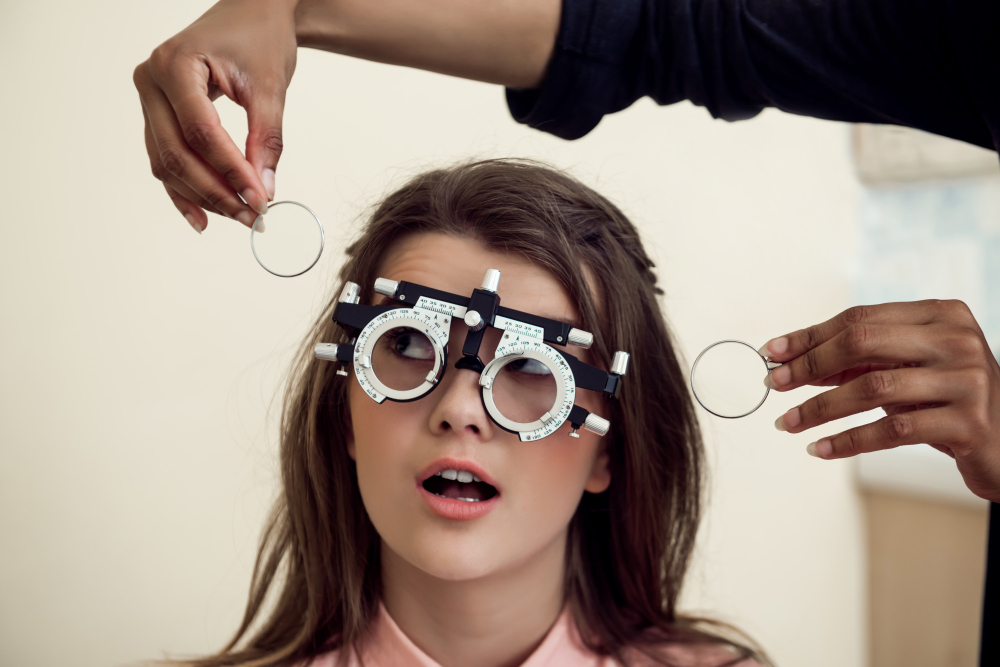
Eye doctors use simple tests to diagnose myopia. First, they will ask about your vision and any symptoms. Next, they will check your eyes using a chart to measure how well you see at different distances. Sometimes, they use special tools to look at the shape of your eye. Because myopia can change over time, regular eye exams are important. Early diagnosis helps prevent further vision problems.
Treatment Options for Myopia
There are several myopia treatment options to help you see better. Your eye doctor will suggest the best choice for you. Common treatments include:
Some treatments may slow the progression of myopia, especially in children. Always talk to your eye doctor about the best option for you.
Lifestyle Tips and Prevention
While you cannot always prevent myopia, you can take steps to protect your eyes. Here are some helpful tips:
These habits can help reduce eye strain and may lower the risk of developing myopia.
In summary, myopia is a common condition that can affect anyone. However, early detection and proper care can help you maintain clear vision. If you notice any changes in your eyesight, consult an eye specialist at Jay Netra Kendra for personalised advice and treatment.