
What Is an Eye Stye?
An eye stye is a small, red bump that forms on the edge of your eyelid. Often, it looks like a pimple. Usually, an eye stye develops when bacteria infect an oil gland or hair follicle. Many people experience eye styes at least once in their lives. Because they can be painful and annoying, knowing how to treat a stye is important.
Common Symptoms of an Eye Stye
Eye stye symptoms are easy to spot. However, they can sometimes be confused with other eye problems. Here are the most common signs:
Sometimes, the area around the stye may also feel warm. In most cases, only one eye is affected.
Causes and Risk Factors
Most eye styes are caused by bacteria, especially Staphylococcus. These germs can enter the eyelid through small breaks in the skin. But, several factors can increase your risk:
Because these risks are common, anyone can get an eye stye. However, good hygiene can help lower your chances.
How Eye Styes Are Diagnosed
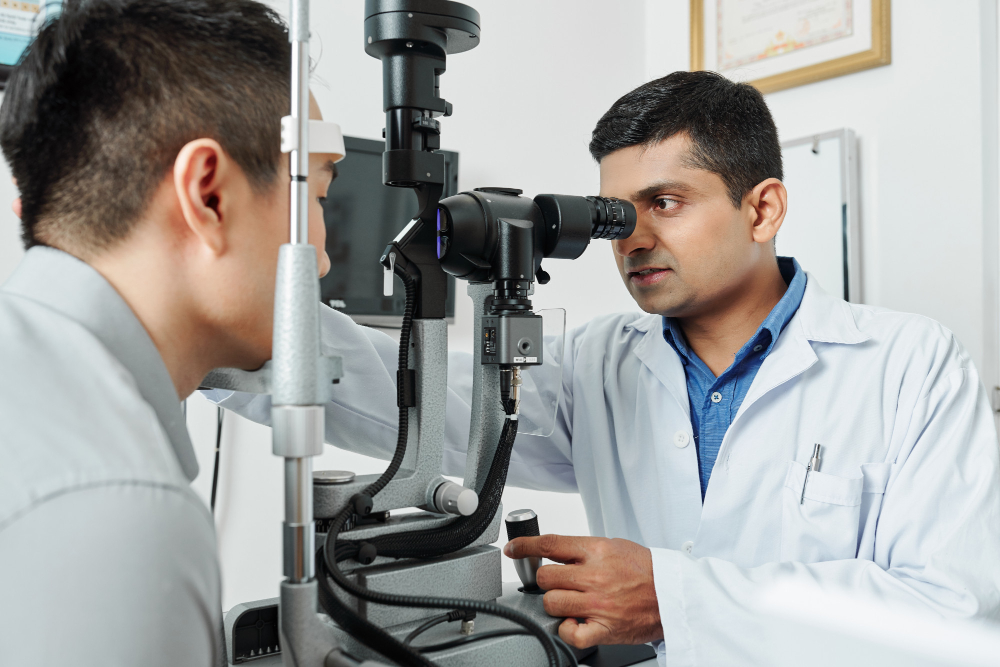
Doctors usually diagnose an eye stye by looking at your eyelid. Often, no special tests are needed. During the exam, your doctor may:
In rare cases, if the bump does not heal, your doctor may check for other problems. But, most eye styes are easy to identify.
Treatment Options for Eye Styes
Most eye styes heal on their own within a week. Still, there are ways to speed up healing and ease discomfort. Here are some home care tips:
Sometimes, a doctor may suggest:
According to the CDC, most styes do not need strong medicine. However, always follow your doctor’s advice for the best results.
Prevention Tips and Lifestyle Guidance
Preventing eye styes is possible with simple habits. For example, you can:
Additionally, if you get styes often, talk to your doctor about eyelid hygiene routines. These steps can help prevent future problems.
When to See a Doctor
Most eye styes are harmless and heal quickly. However, you should see a doctor if:
Early treatment can prevent complications and protect your eye health.
Conclusion
In summary, an eye stye is a common and treatable eyelid problem. With good hygiene and care, most styes heal fast. But, if you have concerns or symptoms last, consult an eye care specialist at Jay Netra Kendra for personalized advice on eye styes.