
Introduction
Developmental cataract is a clouding of the eye’s lens that appears in children or young people. Unlike age-related cataracts, developmental cataract can affect vision early in life. Because clear vision is important for learning and growth, early detection of developmental cataract is vital. In many cases, this condition can be managed with the right care. Understanding the causes, symptoms, and treatment options helps families make informed choices. This blog explains everything you need to know about developmental cataract.
Causes of Developmental Cataract
There are several reasons why a child may develop a developmental cataract. Sometimes, the cause is not clear. However, the most common causes include:
In many cases, though, the exact cause remains unknown. Still, knowing the possible reasons can help with early detection.
Common Symptoms
Developmental cataract may not always be easy to spot. Yet, there are some signs parents and caregivers should watch for. For example, you might notice:
Because these symptoms can be subtle, regular eye checks are important for children. Early treatment can prevent long-term vision problems.
How Developmental Cataract is Diagnosed
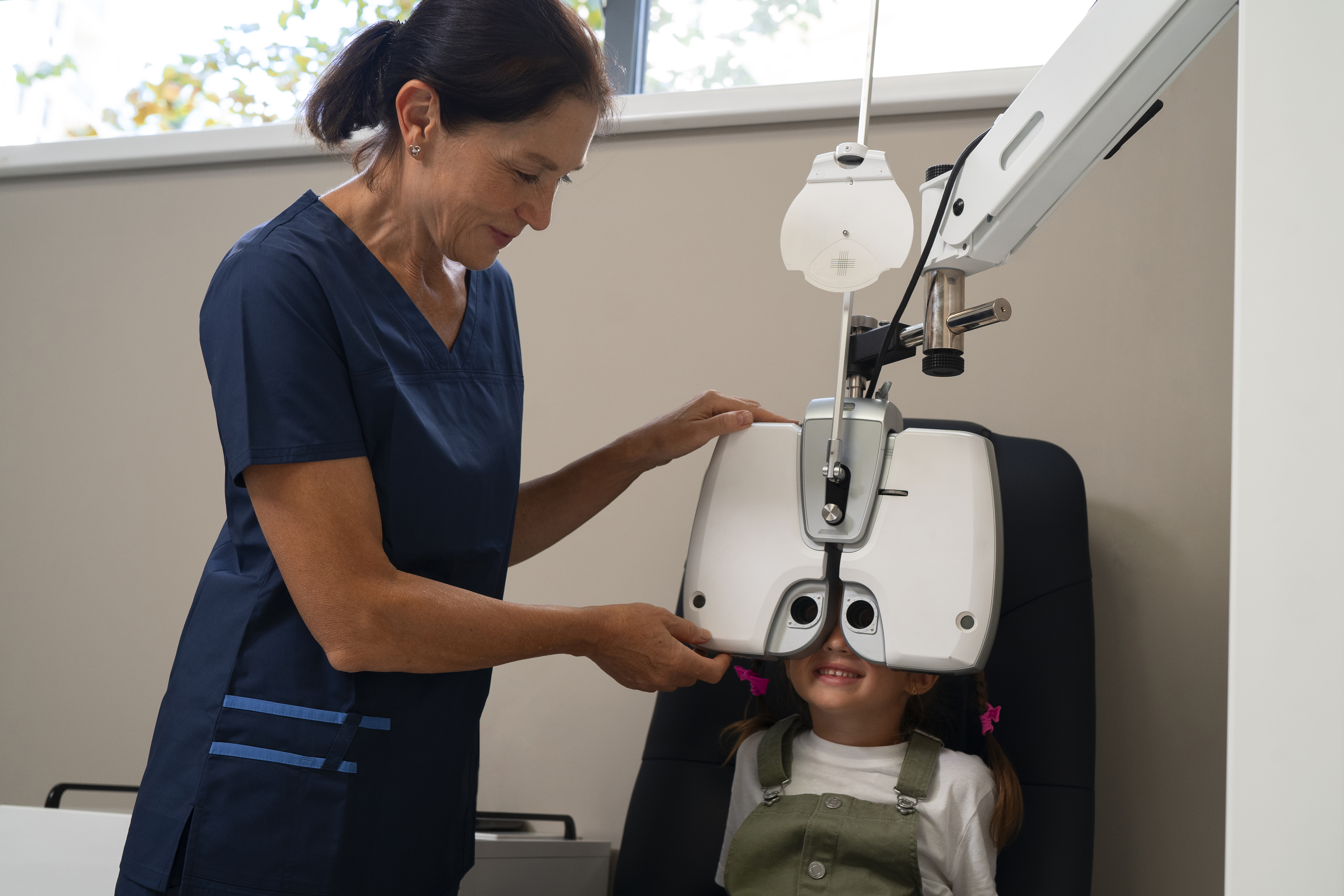
Doctors use several steps to diagnose developmental cataract. First, they ask about the child’s health and family history. Next, they perform a detailed eye exam. During this exam, the doctor may:
Sometimes, doctors may order blood tests or genetic tests. These help find the cause of the cataract. Early diagnosis is key to protecting a child’s vision.
Treatment Options
Treatment for developmental cataract depends on the size and effect of the cataract. In mild cases, doctors may only monitor the eye. However, if the cataract affects vision, treatment is needed. Common options include:
With early treatment, most children can develop good vision. Still, regular follow-up visits are important for the best results.
Prevention and Lifestyle Tips
While not all developmental cataracts can be prevented, some steps may help reduce the risk. For instance:
Although these steps cannot prevent all cases, they can lower the risk and support healthy vision.
When to See an Eye Specialist
It is important to see an eye specialist if you notice any changes in your child’s eyes or vision. For example, seek help if you see:
Early visits to an eye doctor can make a big difference. Prompt care helps protect your child’s sight.
Frequently Asked Questions (FAQs)
Conclusion
Developmental cataract can affect a child’s vision and quality of life. However, with early diagnosis and proper treatment, most children can see well. If you notice any signs of vision problems, do not wait. Consult an ophthalmologist at Jay Netra Kendra for personalized guidance on developmental cataract.