
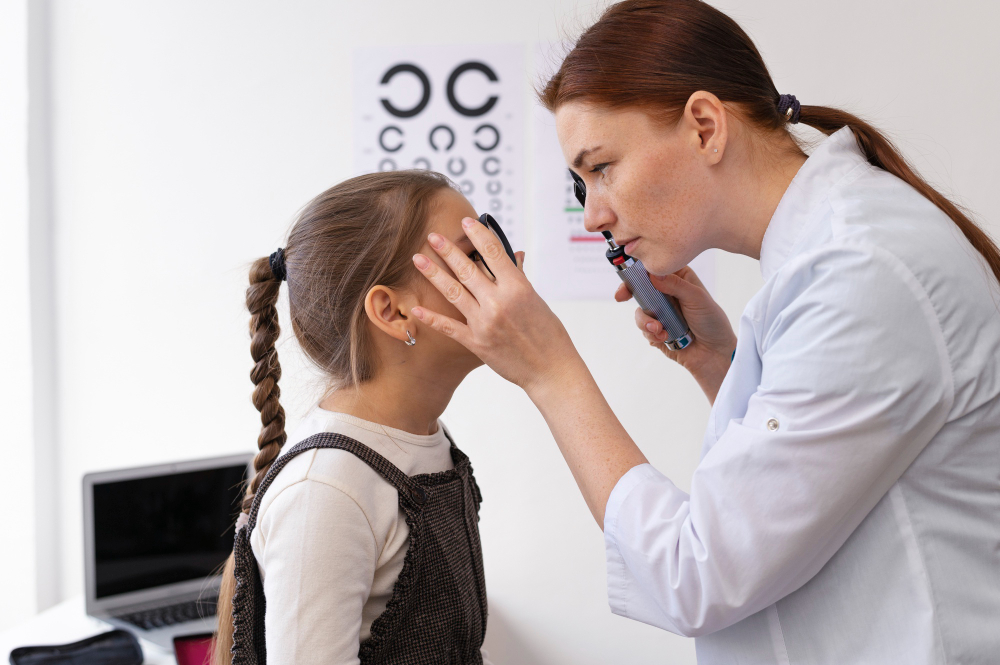
What is Pediatric Squint?
Pediatric squint, also called strabismus, is a condition where a child’s eyes do not look in the same direction. Usually, one eye may turn in, out, up, or down while the other looks straight ahead. Because of this, the eyes do not work together as a team. Early detection is important for healthy vision. According to the World Health Organization (WHO), squint is common in children and needs timely care.
Common Symptoms and Signs
Children with squint may show different signs. Sometimes, these signs are easy to spot. Other times, they are subtle. Watch for these symptoms:
Sometimes, children may not notice any problems. Therefore, regular eye checks are important.
Causes and Risk Factors
Many factors can lead to pediatric squint. Some children are born with it. Others develop it later. Common causes include:
Because risk factors vary, it is important to know your child’s family and medical history.
How Pediatric Squint is Diagnosed
Early diagnosis helps prevent vision loss. Usually, an eye doctor called a pediatric ophthalmologist will examine your child. The doctor may:
Sometimes, more tests are needed. For example, the doctor may use eye drops to check for hidden vision problems.
Treatment Options for Pediatric Squint
Treating squint in children depends on the cause and severity. Early treatment can improve eye alignment and vision. Here are common options:
Non-Surgical Treatments
Surgical Treatments
Sometimes, children need a mix of treatments. Regular follow-up visits help track progress and adjust care.
Lifestyle Tips and Home Care for Children with Squint
Managing squint in kids goes beyond medical treatment. At home, you can support your child in many ways. For example:
With support, children can do well at home and in school.
Prevention Strategies
Not all cases of pediatric squint can be prevented. However, you can lower some risks. Try these steps:
Early action helps protect your child’s vision.
Frequently Asked Questions (FAQs)
Conclusion
Pediatric squint is treatable. Early care helps children see better and live well. If you notice any signs, do not wait. Consult a pediatric ophthalmologist at Jay Netra Kendra for personalized advice on managing squint in children.