
What is Astigmatism?
Astigmatism is a common eye condition. It happens when the front part of your eye, called the cornea, is not perfectly round. Instead, it has an uneven shape. Because of this, light does not focus evenly on the back of your eye. As a result, you may see blurry or distorted images. Many people have some degree of astigmatism. Often, it can occur along with other vision problems like nearsightedness or farsightedness. According to the American Academy of Ophthalmology, astigmatism affects both children and adults.
Symptoms of Astigmatism
Astigmatism symptoms can be mild or more noticeable. However, not everyone will notice problems right away. Still, it is important to know the signs. Common symptoms include:
Sometimes, children may not complain about vision issues. But, they might struggle in school or avoid activities that need clear sight. If you notice these signs, it is wise to schedule an eye exam.
Causes of Astigmatism
Astigmatism is usually present from birth. In most cases, it is caused by the shape of the cornea or lens. Instead of being round like a basketball, the cornea is shaped more like a football. This uneven curve bends light in different directions. As a result, vision becomes blurry. Other causes can include:
Although genetics play a role, anyone can develop astigmatism. However, it does not spread from person to person.
How Astigmatism is Diagnosed
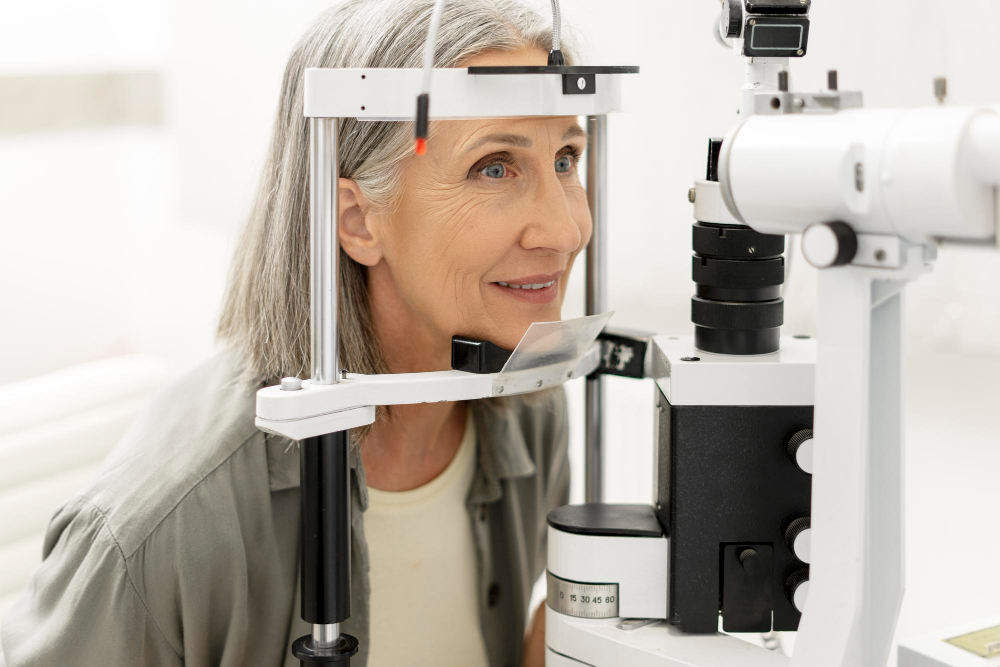
Eye doctors use several tests to diagnose astigmatism. First, they ask about your vision and any symptoms. Then, they perform a complete eye exam. Common tests include:
Because astigmatism can change over time, regular eye exams are important. Early diagnosis helps prevent vision problems from getting worse.
Treatment Options for Astigmatism
There are several astigmatism treatment options. The right choice depends on your age, lifestyle, and how much your vision is affected. Common treatments include:
For children, glasses are often the first step. However, your doctor will help you choose the best option. In most cases, treatment can greatly improve vision and comfort.
Lifestyle Tips and Prevention
While you cannot always prevent astigmatism, you can protect your eye health. For example, regular eye exams help catch changes early. Here are some helpful tips:
Although these steps do not cure astigmatism, they support healthy vision. Early care can also prevent other eye problems.
When to See an Eye Specialist
If you notice blurry vision, headaches, or trouble seeing at night, it is time to see an eye specialist. Also, children should have regular eye checks, even if they do not complain. Early treatment can make a big difference. Remember, vision changes can happen slowly. Therefore, regular exams help keep your eyes healthy.
If you have questions about astigmatism or your vision, consult an eye specialist at Jay Netra Kendra for personalized advice on astigmatism.