
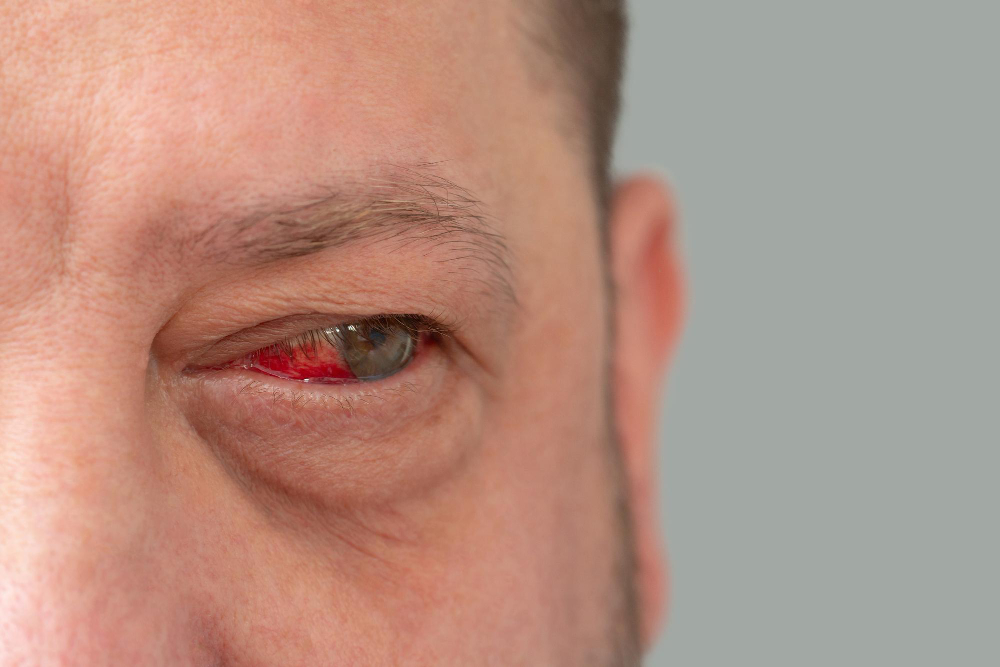
Corneal ulcers are open sores on the clear front surface of your eye. These ulcers can cause pain, redness, and even vision loss if not treated quickly. Because early identification and treatment of corneal ulcers are vital, knowing the warning signs can help protect your eye health. In this blog, you will learn how to spot early signs of corneal ulcers, understand their causes, and find out about treatment options. We will also share prevention tips and when to see an eye specialist.
What Are Corneal Ulcers?
A corneal ulcer is a sore or open wound on the cornea, which is the clear, dome-shaped surface that covers the front of your eye. The cornea helps focus light so you can see clearly. When this area gets infected or injured, a corneal ulcer can form. If left untreated, it may lead to serious eye problems or even vision loss. Therefore, understanding what corneal ulcers are is important for everyone.
Early Signs and Symptoms
Recognizing early signs of corneal ulcers can help you get treatment fast. Look out for these common symptoms:
Sometimes, you may also notice a white or gray spot on your cornea. If you have any of these symptoms, seek help quickly. Early action can prevent serious problems.
Causes and Risk Factors
Corneal ulcers can have many causes. Often, they result from infections. Bacteria, viruses, fungi, or parasites can all infect the cornea. However, injuries to the eye, such as scratches or burns, can also lead to ulcers. Wearing contact lenses for too long or not cleaning them properly increases your risk. People with dry eyes or weak immune systems are also more likely to get corneal ulcers. In addition, eye allergies or past eye surgeries can raise your risk.
How Corneal Ulcers Are Diagnosed
Doctors use several simple steps to diagnose corneal ulcers. First, they will ask about your symptoms and look at your eye with a special light called a slit lamp. Sometimes, they may use a dye to highlight the ulcer. If needed, your doctor may take a small sample from your cornea to find out what type of infection is present. This helps them choose the best treatment. Early diagnosis is key to protecting your vision.
Early Treatment Options
Treating corneal ulcers early can prevent vision loss. Most often, doctors prescribe antibiotic, antiviral, or antifungal eye drops, depending on the cause. You may need to use these drops many times a day. In some cases, doctors may give you pain relief drops or ointments. If the ulcer is severe, you might need stronger medicine or even surgery. However, starting treatment early usually leads to better results. Never try to treat a corneal ulcer at home.
Prevention Tips
There are simple steps you can take to lower your risk of corneal ulcers:
By following these tips, you can help keep your eyes healthy.
When to See an Eye Specialist
If you notice any signs of a corneal ulcer, see an eye specialist right away. Warning signs include:
Early treatment can save your vision. Do not wait for symptoms to get worse.
Conclusion & Call-to-Action
In summary, corneal ulcers are serious but treatable if caught early. Watch for warning signs like redness, pain, or vision changes. Take steps to protect your eyes and follow good hygiene. Most importantly, consult an eye specialist at Jay Netra Kendra promptly if you notice any symptoms of corneal ulcers. Early care can protect your vision and eye health.