
Comprehensive Guide to Managing Pediatric Squint

What is Pediatric Squint?

Pediatric squint, also called strabismus, is a condition where a child’s eyes do not look in the same direction. Usually, one eye may turn in, out, up, or down while the other looks straight ahead. Because of this, the eyes do not work together as a team. Early detection is important for healthy vision. According to the World Health Organization (WHO), squint is common in children and needs timely care.

Common Symptoms and Signs

Children with squint may show different signs. Sometimes, these signs are easy to spot. Other times, they are subtle. Watch for these symptoms:

  • One or both eyes turn in, out, up, or down
  • Eyes do not move together
  • Frequent squinting or closing one eye
  • Tilting or turning the head to see better
  • Double vision (seeing two images)
  • Poor depth perception
  • Complaints of eye strain or headaches
  • Sometimes, children may not notice any problems. Therefore, regular eye checks are important.

    Causes and Risk Factors

    Many factors can lead to pediatric squint. Some children are born with it. Others develop it later. Common causes include:

  • Family history of squint or eye problems
  • Weak eye muscles or nerve issues
  • Uncorrected vision problems, such as being farsighted
  • Premature birth or low birth weight
  • Injuries to the eye or head
  • Medical conditions like cerebral palsy or Down syndrome
  • Because risk factors vary, it is important to know your child’s family and medical history.

    How Pediatric Squint is Diagnosed

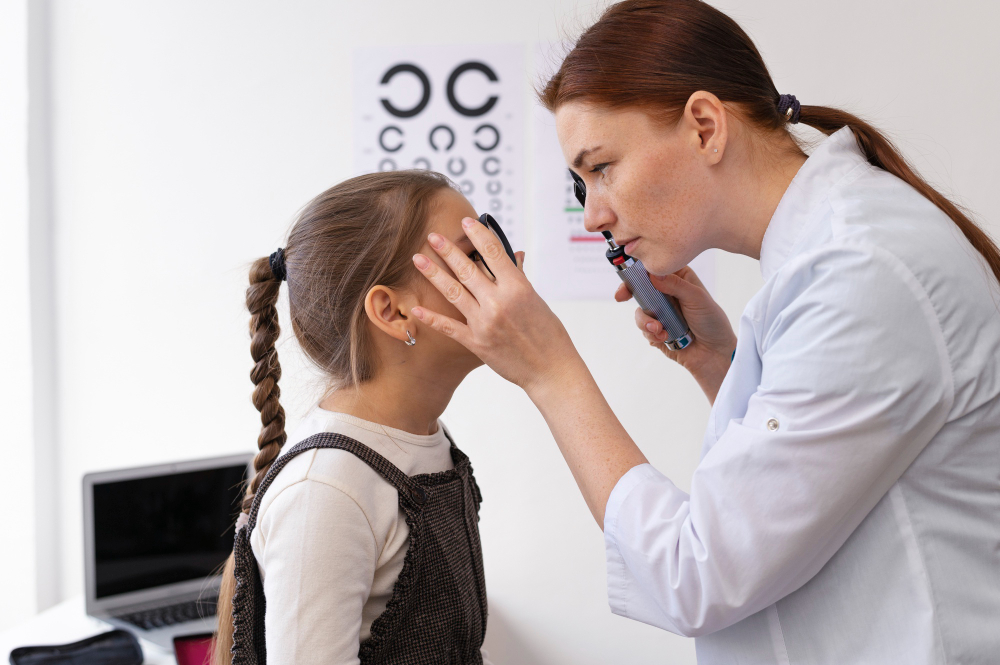
    Early diagnosis helps prevent vision loss. Usually, an eye doctor called a pediatric ophthalmologist will examine your child. The doctor may:

  • Ask about your child’s symptoms and health history
  • Check how the eyes move and focus
  • Use special lights and charts to test vision
  • Look for signs of lazy eye (amblyopia)
  • Sometimes, more tests are needed. For example, the doctor may use eye drops to check for hidden vision problems.

    Treatment Options for Pediatric Squint

    Treating squint in children depends on the cause and severity. Early treatment can improve eye alignment and vision. Here are common options:

    Non-Surgical Treatments

  • Glasses: Correct vision problems like farsightedness
  • Eye Patches: Cover the stronger eye to help the weaker one work better
  • Eye Drops: Blur vision in the stronger eye to force the weaker eye to work
  • Vision Therapy: Special exercises to train the eyes to work together
  • Surgical Treatments

  • Eye Muscle Surgery: Adjusts the position or strength of eye muscles
  • Surgery is safe and often done as a day procedure
  • Most children recover quickly and see better alignment
  • Sometimes, children need a mix of treatments. Regular follow-up visits help track progress and adjust care.

    Lifestyle Tips and Home Care for Children with Squint

    Managing squint in kids goes beyond medical treatment. At home, you can support your child in many ways. For example:

  • Encourage your child to wear glasses or patches as prescribed
  • Make eye exercises fun with games or rewards
  • Use good lighting for reading and play
  • Watch for signs of eye strain or headaches
  • Talk to teachers about your child’s needs at school
  • With support, children can do well at home and in school.

    Prevention Strategies

    Not all cases of pediatric squint can be prevented. However, you can lower some risks. Try these steps:

  • Schedule regular eye exams for your child
  • Treat vision problems early
  • Protect your child’s eyes from injuries
  • Watch for signs of squint, especially if there is a family history
  • Early action helps protect your child’s vision.

    Frequently Asked Questions (FAQs)

  • Is pediatric squint common? Yes, it affects about 2–4% of children worldwide.
  • Can squint go away on its own? Sometimes, mild cases improve, but most need treatment.
  • Is surgery always needed? No, many children improve with glasses or therapy. Surgery is for severe cases.
  • Will my child have normal vision after treatment? Many children see better after treatment, but regular follow-up is important.
  • When should I see a doctor? See a pediatric ophthalmologist if you notice any signs of squint or vision problems.
  • Conclusion

    Pediatric squint is treatable. Early care helps children see better and live well. If you notice any signs, do not wait. Consult a pediatric ophthalmologist at Jay Netra Kendra for personalized advice on managing squint in children.