Introduction
Many people experience vision problems at some point in life. Refractive errors are a leading cause of blurred vision and eye discomfort. These common eye conditions affect how light enters your eye, making it hard to see clearly. Because refractive errors are so widespread, understanding them is important for good eye health. In this blog, we will explain what refractive errors are, their causes, symptoms, diagnosis, and treatment. We will also share tips to keep your eyes healthy. All information is based on trusted sources like the World Health Organization (WHO) and the American Academy of Ophthalmology.
What Are Refractive Errors?
Refractive errors happen when the shape of your eye prevents light from focusing correctly on the retina. The retina is the part of your eye that sends images to your brain. If light does not focus properly, you may see things as blurry or out of focus. These errors are not diseases but are common vision problems. Most people can manage refractive errors with glasses, contact lenses, or surgery.
Common Types of Refractive Errors
There are several types of refractive errors. Each type affects vision in a different way. The most common types include:
Causes and Risk Factors
Refractive errors can develop for several reasons. Some causes and risk factors include:
However, not everyone with these risk factors will develop refractive errors.
Symptoms and Signs
Refractive errors often cause noticeable symptoms. If you have any of these signs, consider seeing an eye doctor:
Sometimes, children may not notice vision problems. Therefore, regular eye exams are important for early detection.
Diagnosis and Eye Exams
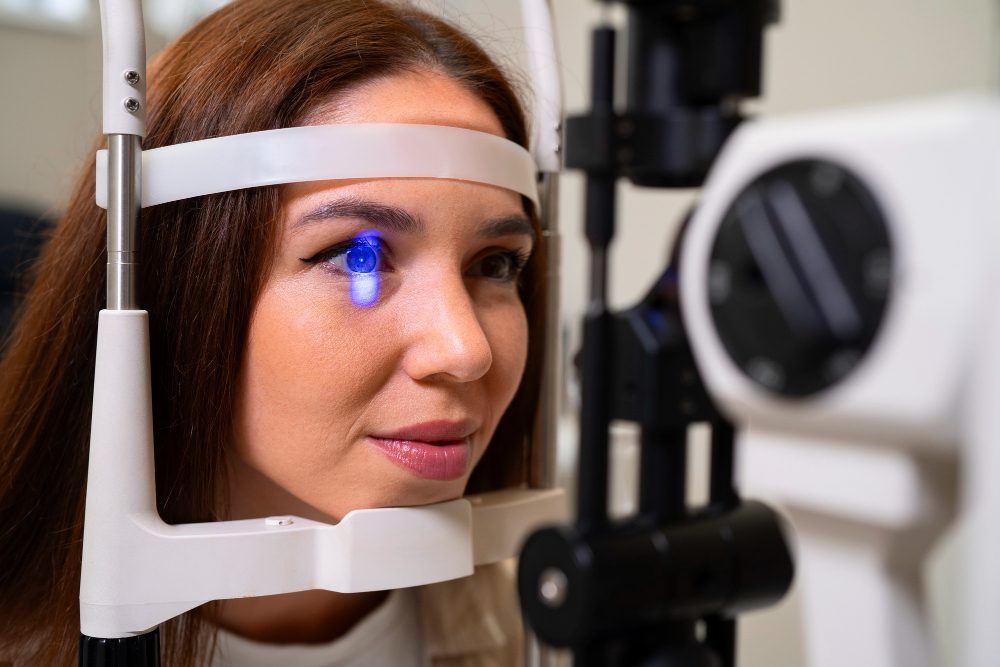
Eye care specialists use simple tests to diagnose refractive errors. During an eye exam, your doctor will:
Regular eye exams help catch problems early. For children, experts recommend an eye check before starting school. Adults should have exams every one to two years, or as advised by their doctor.
Treatment Options
There are several ways to correct refractive errors. Your doctor will suggest the best option for your needs. Common treatments include:
With the right treatment, most people can see clearly and enjoy daily activities.
Prevention and Eye Care Tips
While you cannot always prevent refractive errors, you can take steps to protect your eye health. Try these tips:
Good eye care habits can help you maintain clear vision and avoid further problems.
Conclusion
Refractive errors are common but manageable vision problems. Early detection and proper treatment can help you see clearly and protect your eye health. If you notice any changes in your vision, consult an eye care specialist at Jay Netra Kendra for personalized advice on refractive errors and vision correction.