
Introduction
Cataract is a common eye condition that affects millions of people worldwide. It happens when the clear lens of your eye becomes cloudy. Because of this, vision can become blurry or faded. Cataract is a leading cause of vision loss, especially in older adults. Early detection and treatment can help protect your sight. In this blog, you will learn about cataract symptoms, causes, diagnosis, treatment options, and ways to prevent cataracts naturally.
What is a Cataract?
A cataract is a clouding of the eye’s natural lens. Normally, the lens helps focus light so you can see clearly. However, with a cataract, the lens becomes cloudy, making it hard to see. Most cataracts develop slowly over time. They can affect one or both eyes, but they do not spread from one eye to the other.
Symptoms of Cataract
It is important to know the signs of cataract. Early symptoms may be mild, but they can get worse over time. Common cataract symptoms include:
If you notice these symptoms, you should see an eye specialist soon. Early treatment can help prevent vision loss.
Causes and Risk Factors
Many things can cause cataracts. Age is the most common reason. As you get older, the lens in your eye can change and become cloudy. However, other factors can also raise your risk. These include:
Knowing these risk factors can help you take steps to protect your eyes.
How Cataract is Diagnosed
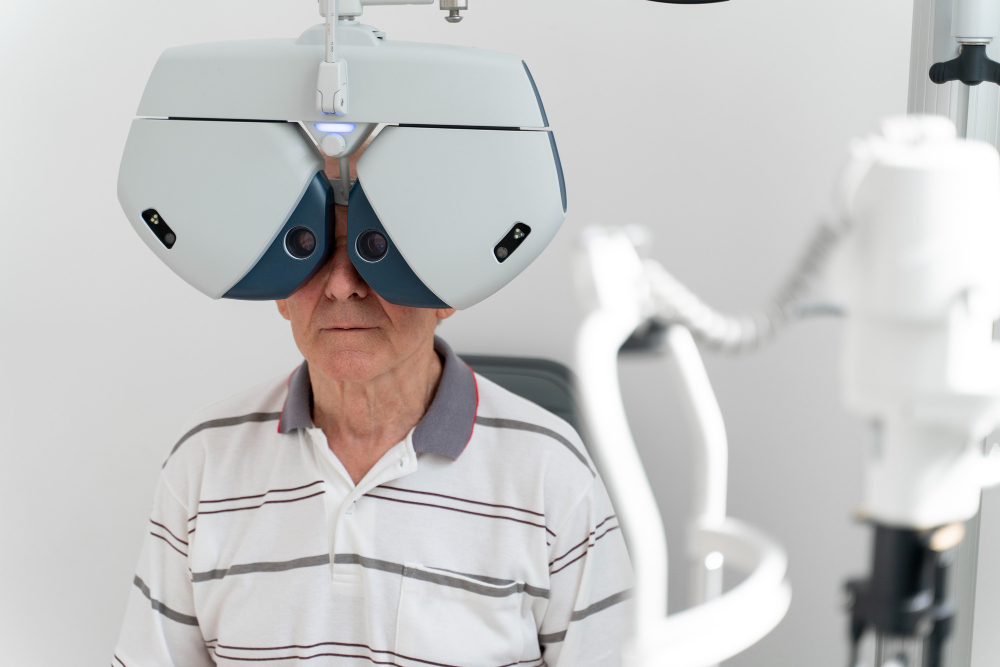
Eye doctors use simple tests to check for cataracts. First, they will ask about your symptoms and health history. Then, they will do an eye exam. Common tests include:
These tests help the doctor find out how much the cataract affects your vision. Early diagnosis is key for the best results.
Treatment Options for Cataract
There are several ways to treat cataracts. At first, you may only need new glasses or brighter lighting. However, if your vision gets worse, surgery may be needed. Cataract surgery is safe and common. During surgery, the cloudy lens is removed and replaced with a clear artificial lens. Most people see better soon after the procedure. According to the World Health Organization, cataract surgery is one of the most effective treatments for restoring vision.
Some treatment options include:
Talk to your eye doctor about which treatment is best for you.
Prevention and Lifestyle Tips
While you cannot always prevent cataracts, you can lower your risk. Here are some tips to help keep your eyes healthy:
By following these steps, you can help prevent cataracts naturally and protect your vision.
When to See an Eye Specialist
If you notice any changes in your vision, you should see an eye specialist right away. Early signs of cataract can be easy to miss. However, quick action can help prevent serious vision loss. You should also have regular eye exams, even if you do not have symptoms. This is especially important if you are over age 60 or have risk factors for cataracts.
Conclusion
Cataract is a common cause of vision problems, but it can be treated. Knowing the symptoms, causes, and treatment options is key to maintaining good eye health. If you notice changes in your vision or have any questions, consult an eye specialist at Jay Netra Kendra for personalised advice on cataract diagnosis and treatment.