
What is Glaucoma?
Glaucoma is an eye condition that can damage the optic nerve. This nerve sends signals from your eye to your brain. Often, glaucoma is linked to high eye pressure. However, it can also happen with normal pressure. Over time, glaucoma may cause vision loss. In many cases, people do not notice symptoms early. Because of this, regular eye exams are important. According to the World Health Organization, glaucoma is a leading cause of blindness worldwide.
Common Causes of Glaucoma
There are several reasons why glaucoma can develop. Most often, it happens when fluid builds up in the front part of the eye. This extra fluid increases eye pressure. Yet, some people get glaucoma even with normal pressure. Here are some common causes:
Sometimes, the cause is not clear. But, knowing your risk can help you stay alert.
Recognizing Symptoms of Glaucoma
Many people with glaucoma do not notice symptoms at first. In fact, vision loss often starts slowly. Still, some types of glaucoma can cause sudden problems. Watch for these signs:
If you notice any of these symptoms, seek help right away. Early treatment can protect your sight.
How Glaucoma is Diagnosed
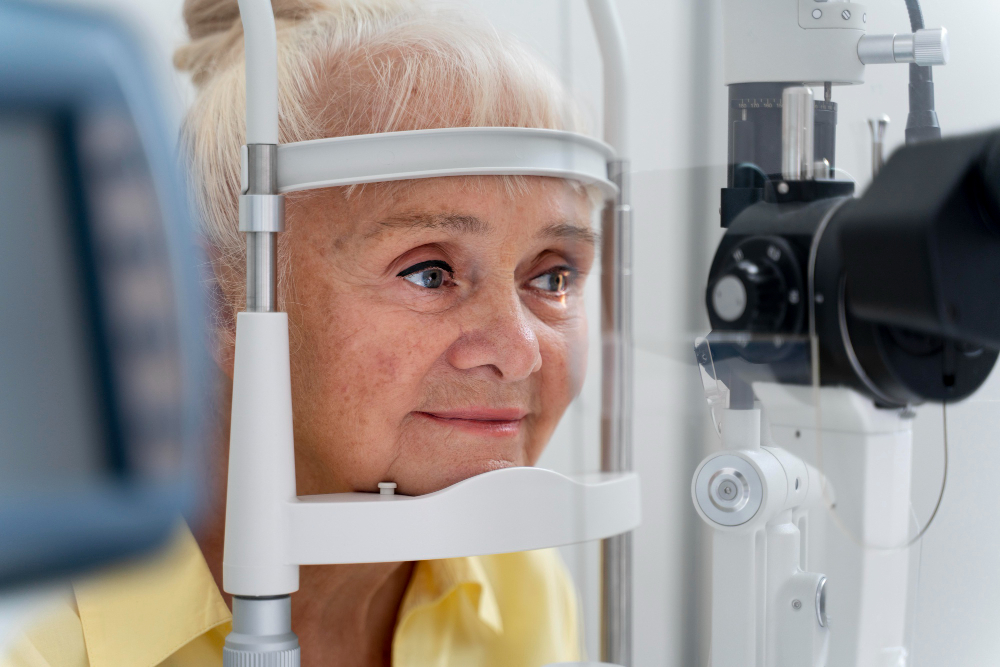
Doctors use several tests to check for glaucoma. First, they measure your eye pressure. Next, they look at your optic nerve for signs of damage. They may also test your side vision. Sometimes, doctors use special images to see inside your eye. These tests are quick and painless. Regular eye exams help find glaucoma early, even before you notice symptoms.
Treatment Options for Glaucoma
Glaucoma treatment aims to lower eye pressure and prevent vision loss. Your doctor will choose the best plan for you. Common glaucoma treatment options include:
Although treatment cannot restore lost vision, it can help stop further damage. Therefore, it is important to follow your doctor’s advice closely.
Lifestyle Tips and Prevention
While you cannot always prevent glaucoma, healthy habits can lower your risk. Try these tips to protect your eyes:
In addition, managing health problems like diabetes and high blood pressure can help.
When to See an Eye Specialist
If you notice any changes in your vision, do not wait. See an eye specialist right away. Also, schedule regular eye exams, even if you feel fine. Early detection is the best way to prevent vision loss from glaucoma. Remember, some people have higher risk, so talk to your doctor about your eye health.
For personalized advice on glaucoma prevention and treatment, consult an eye specialist at Jay Netra Kendra today.